


Articles

The Love Shift: How Bibliotherapy Helps Us Move Beyond Attachment, Fear, and Transaction into the Courage to Love Well
The Reader looked thoughtful. “I've been surrounded by people, family, friends, colleagues. People tell me they love me, and yet there are moments when I still feel profoundly alone.”

Discovering Your Worth - Featured Book of the Week
Many people spend their lives searching for the one thing they believe will finally make them feel complete

The Meaning Shift: How Bibliotherapy Helps Us Find Purpose, Endure Suffering, and Live a Life That Feels Worth Living
The Reader spoke with unusual heaviness. There was no drama in the voice. There was only exhaustion.
“I’m doing what I’m supposed to do. I work. I take care of responsibilities. I show up for people. I keep moving. From the outside, my life probably looks fine, but lately, I keep asking myself a question I can’t seem to answer: What is all of this for?”
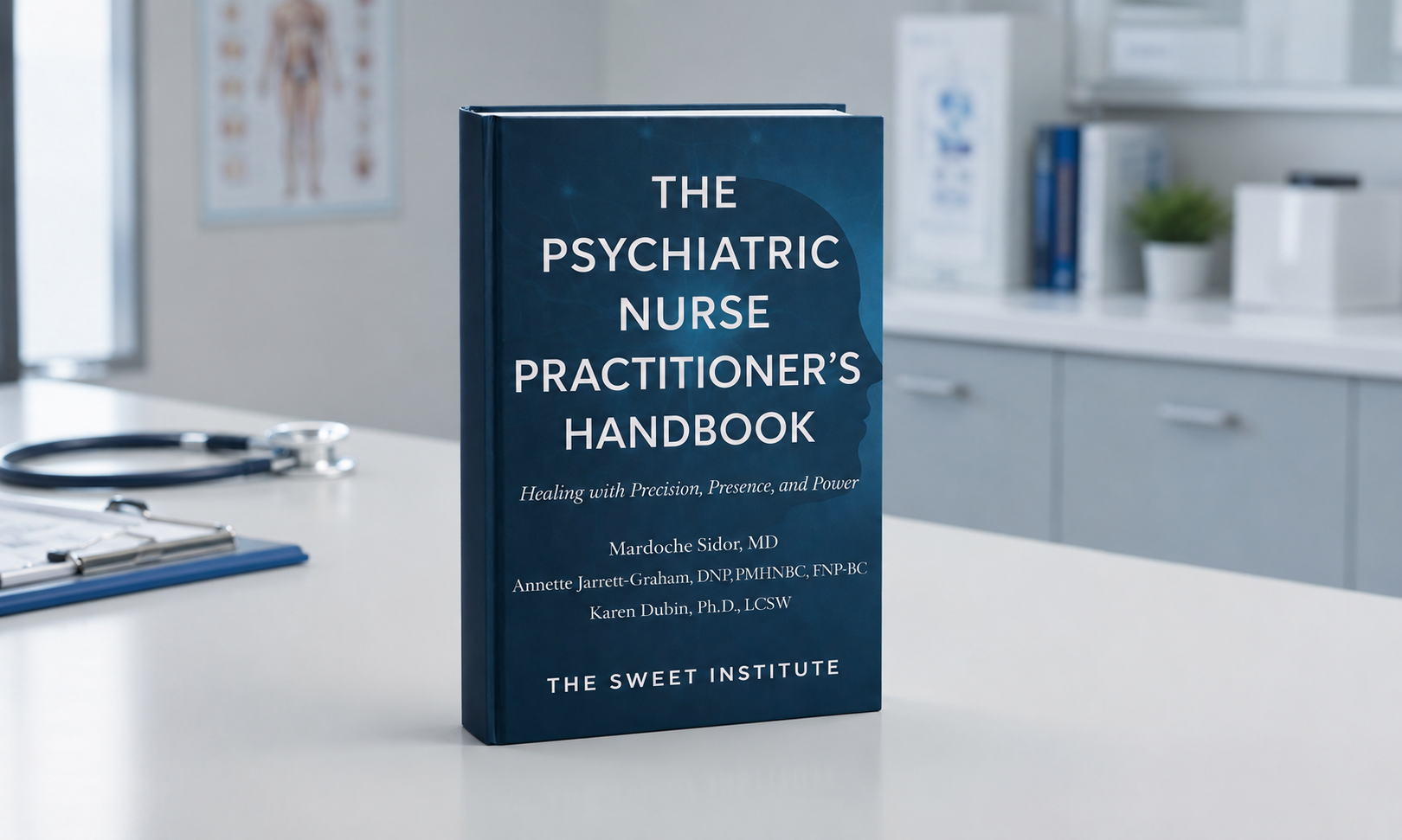
Featured Book of the Week: The Psychiatric Nurse Practitioner’s Handbook
Psychiatric nurse practitioners are being asked to do more than ever. They assess, diagnose, prescribe, educate, collaborate, advocate, and hold space for people in some of the most vulnerable moments of their lives.

The Joy Shift: How Bibliotherapy Helps Us Rediscover Joy in a World That Trains Us to Rush, Perform, and Forget What Matters
The Reader said it quietly. “I still function. I still work. I still show up. People probably think I’m doing fine. But something feels missing. I laugh sometimes. I smile sometimes. But deep joy? That feels rare.”
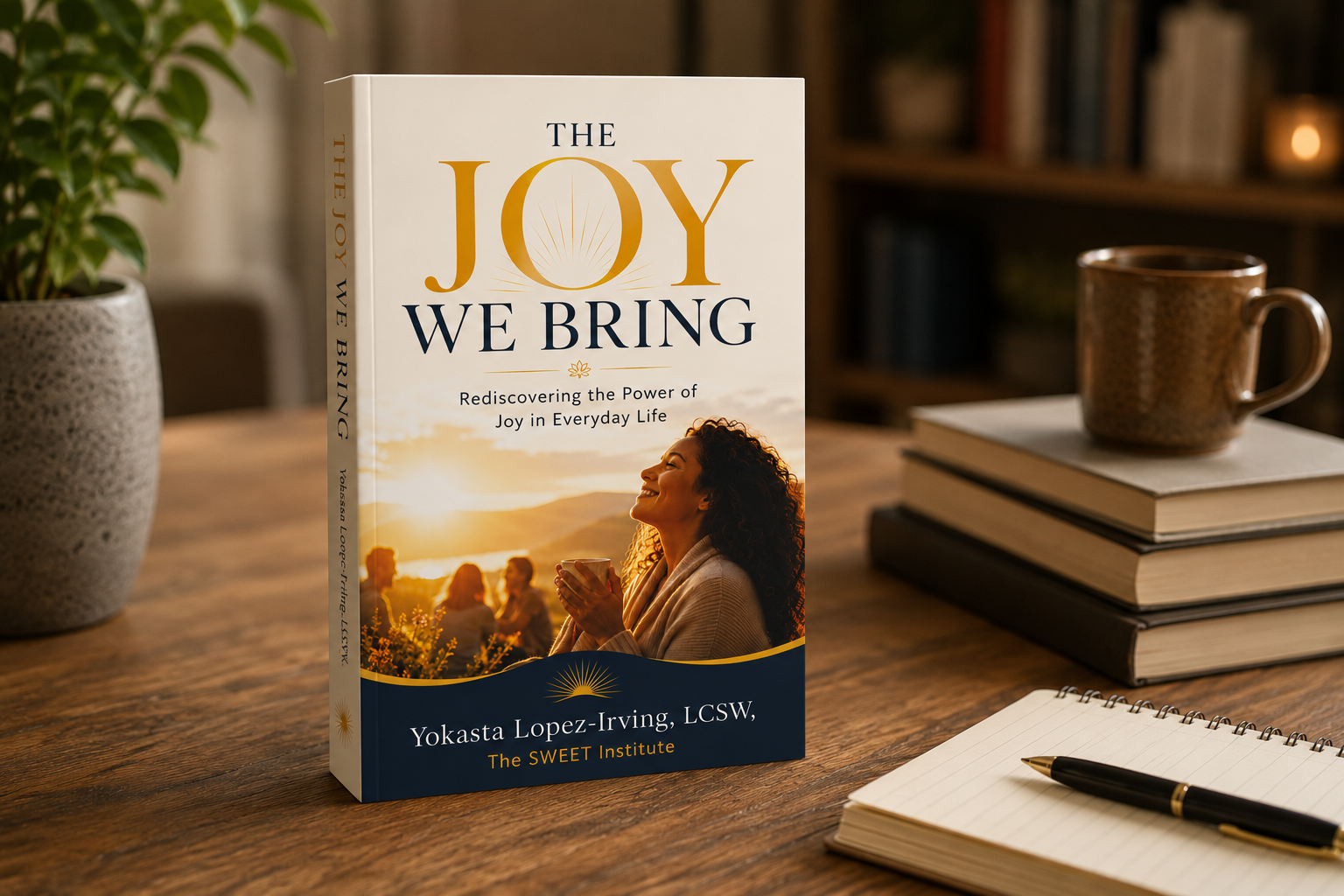
Why Joy Is Not Something We Find — It’s Something We Create
Most people spend their lives chasing joy. They look for it in achievement, recognition, relationships, possessions, milestones, and future circumstances.
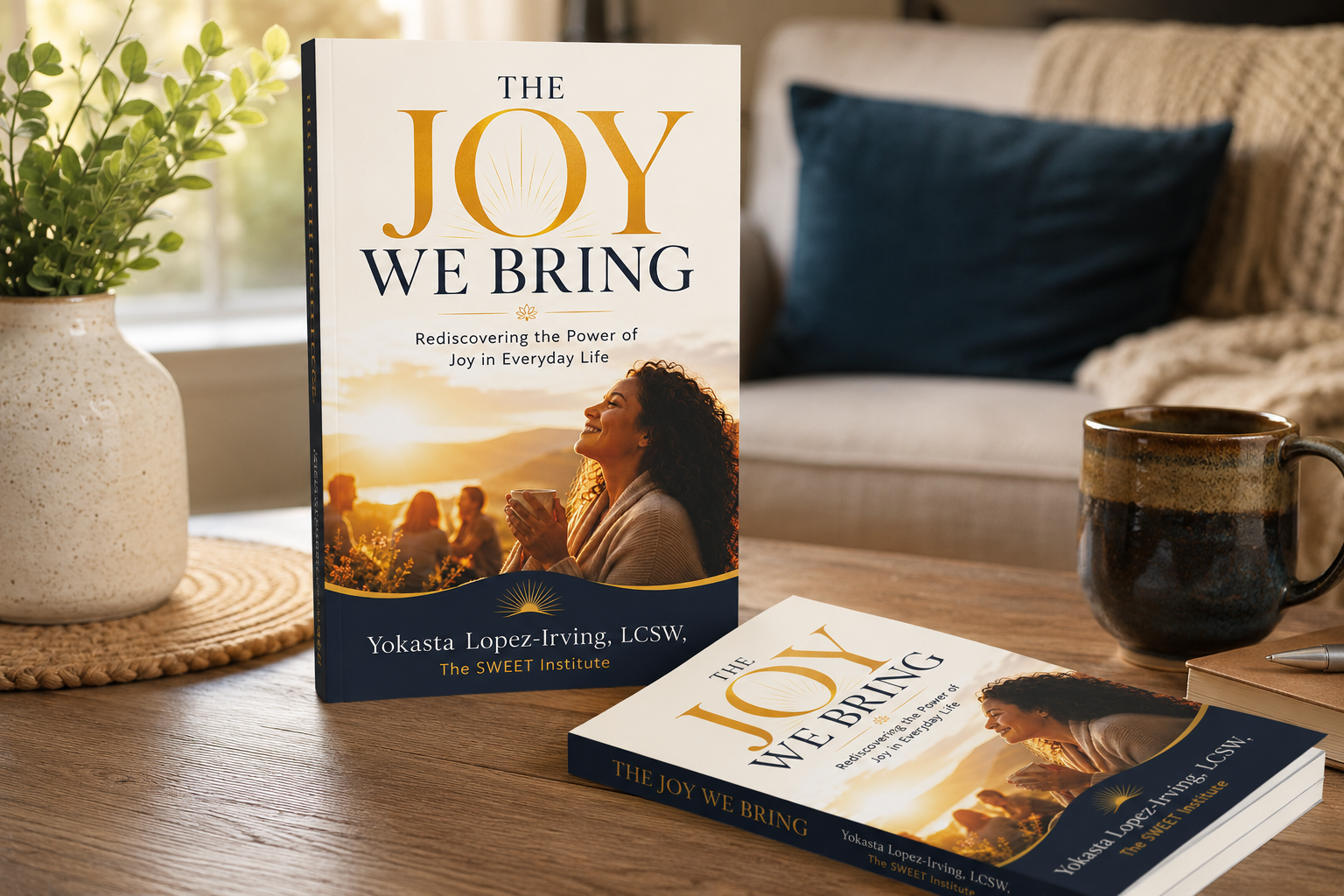
The Joy We Bring
Many people spend much of their lives searching for joy in future outcomes, external achievements, or ideal circumstances.
The Global Healing Shift: Why the Future of Humanity Depends on Psychological Maturity, Collective Healing, and Conscious Development
We evolve technologically. We build faster systems, smarter tools, advanced medicine, artificial intelligence, and global communication.

Featured Book of the Week: Becoming the Very Best
When people want a better life, they often assume they need to add more: more discipline, more motivation, more knowledge, more strategies, more productivity.

Before Anything Else, Validate
Many people believe that helping means fixing, advising, correcting, or solving problems as quickly as possible.

Featured Book of the Week - It’s All Perfect
What if the very things you regret, including the detours, the failures, the heartbreaks, the delays, were not interruptions to your journey, but part of it?

Restoring Our Humanity
Perhaps one of the greatest challenges of our time is not technological, political, or economic. Perhaps it is human.
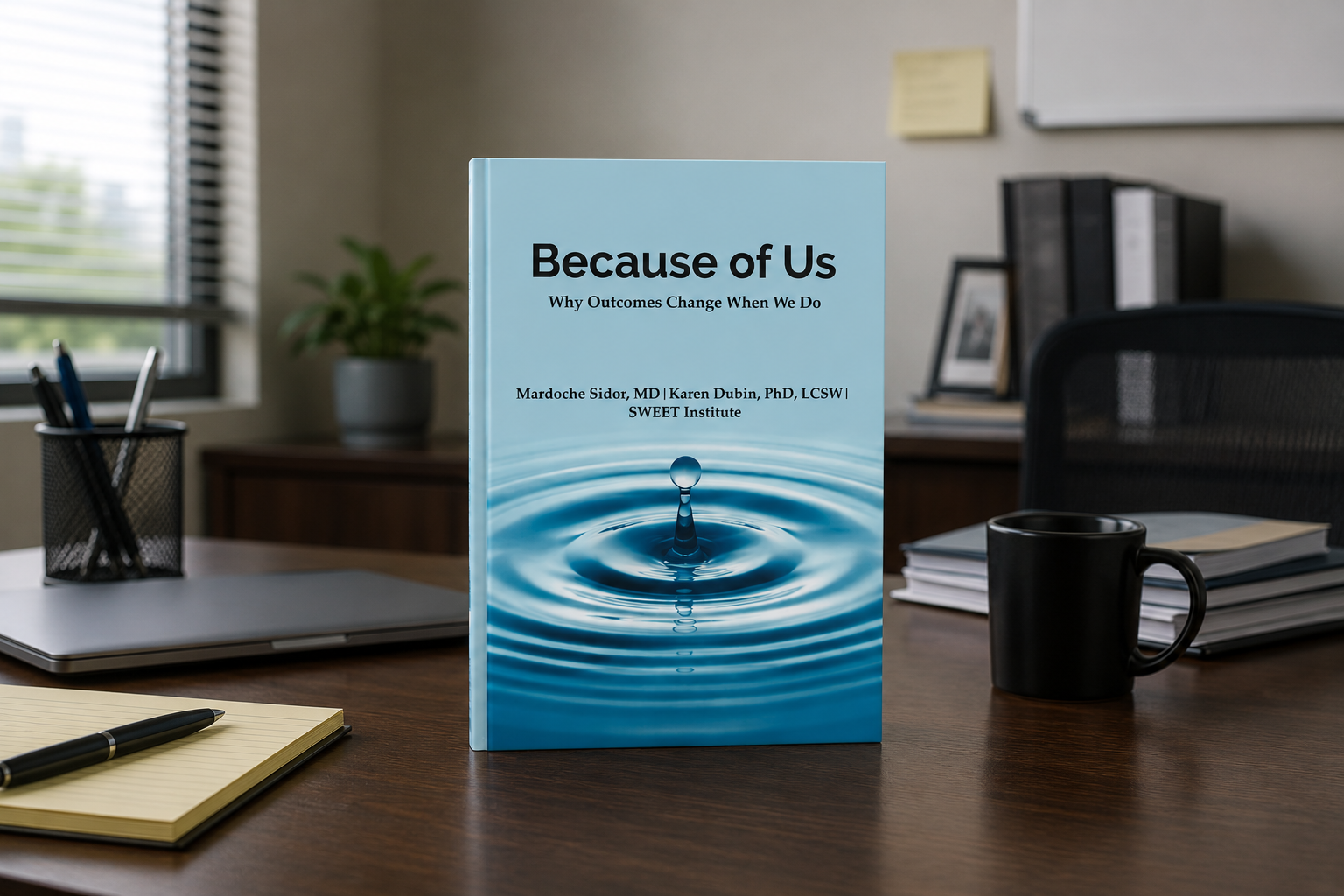
Featured Book of the Week - Because of Us
When outcomes fall short, we often look outward. We examine the system, the resources, the policies, the circumstances, and the people we serve. All of these matter.

The Parenting Shift: Why Raising Children Is Not About Controlling Behavior
The Reader smiled.
“Every parent says it. We want our children to be happy, successful, confident, and kind. Yet parenting feels harder than ever.
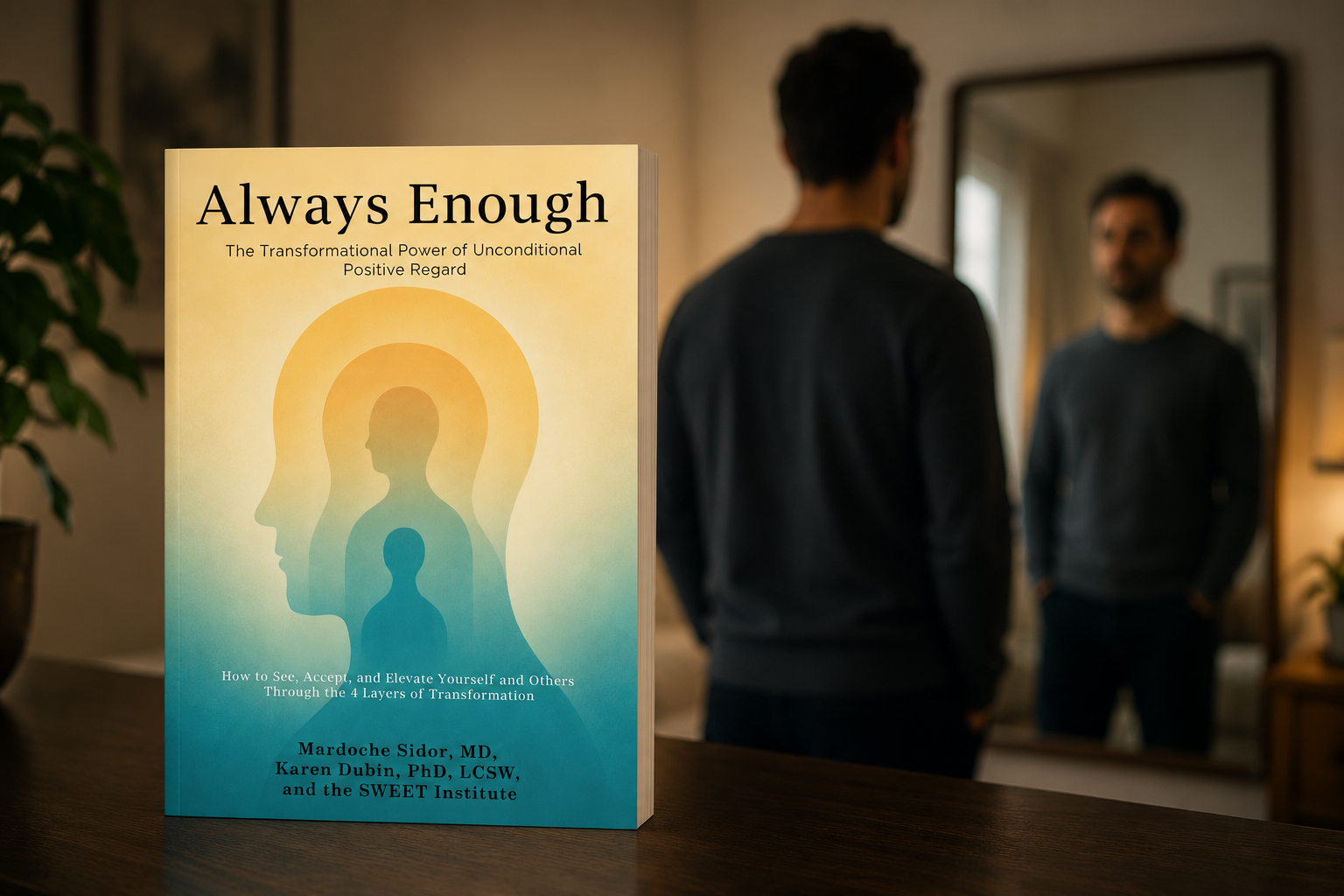
Always Enough - Featured Book of the Week
Many people spend their lives trying to earn something that was never supposed to be earned: acceptance, approval, and permission to exist as they are.

The Education Shift: Why People Don’t Need More Information
The Reader asked the question almost painfully.
“We live in the age of information. People watch lectures, read books, take courses, listen to podcasts, yet so many people still feel overwhelmed, disconnected, stuck, emotionally reactive, and unsure how to actually live differently.”
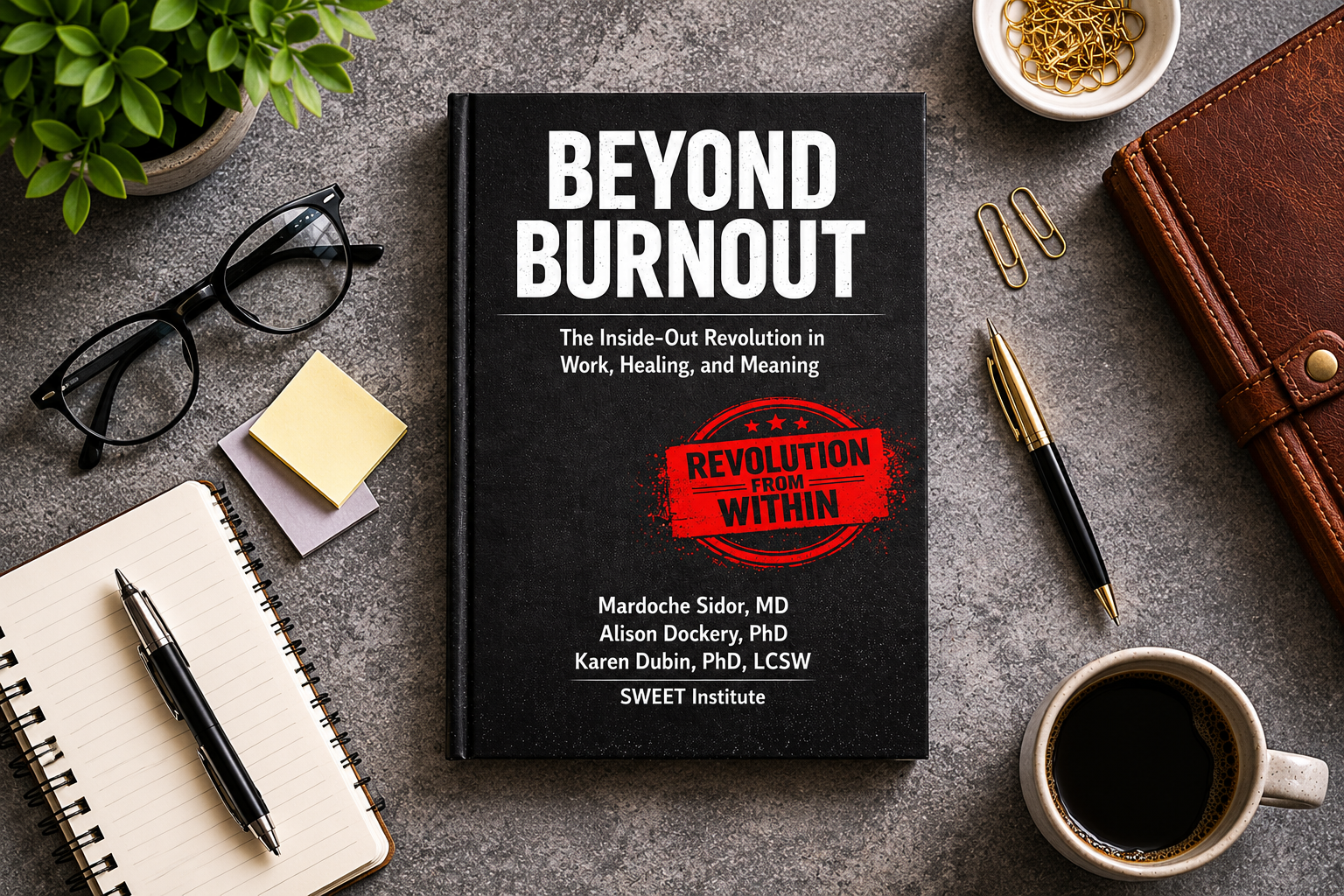
The Movement Shift: Why Mental Health Doesn’t Just Need More Services, But A New Operating System
The Reader asked the question slowly, and added, “More awareness, more diagnoses, more programs, more information.

The Power of Faith: A Harvard-Trained Psychiatrist Speaking on Faith
This is a conversation many avoid, as faith and science are often treated as opposites. One is often seen as emotional, while the other is seen as rational.

The Team Shift: Why Teams Don’t Transform through Motivation, but Through Shared Practice, Language, and Culture
The Reader laughed, but looked exhausted. He added, “We have meetings, we review expectations, and discuss communication. Yet, somehow, the same issues keep coming back.”