

Featured Book of the Week: The Future Leaves Clues
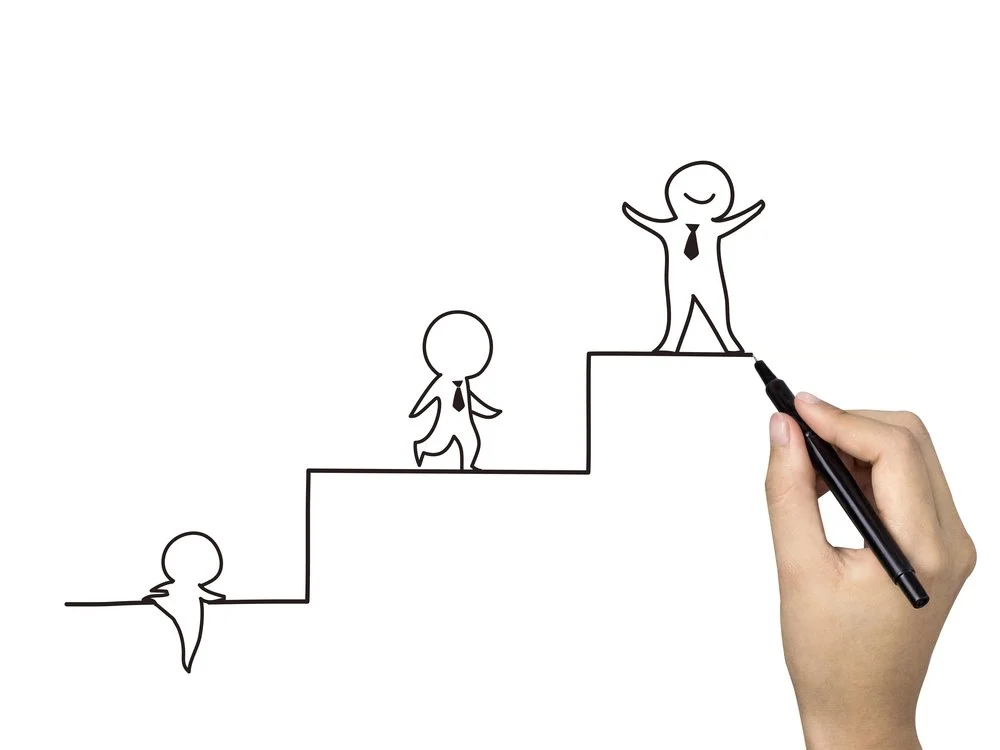
The Science and Art of Predicting Human Trajectories—and Changing Them
What If the Future Becomes Visible Before It Becomes Obvious?
A crisis may appear sudden, yet the trajectory leading toward it often began much earlier. A missed appointment became two, responses became slower, conversations became shorter, and participation declined. Questions also disappeared, and hopeful language faded. None of these changes alone proved that a crisis was coming, yet together they may have revealed that the person’s direction was already changing.
The same principle applies to improvement. Recovery rarely begins only when someone reaches a major milestone. It may begin when the person stays five minutes longer, answers a call, asks one question, accepts one visit, expresses one hope, or returns more quickly after withdrawing. These micro-behaviors may seem insignificant when viewed separately, but over time they can reveal that a different future is beginning to form.
What This Book Reveals
The Future Leaves Clues explores the science and art of recognizing human trajectories early enough to influence them. Prediction is not fortune-telling, certainty, or reducing people to data. It is the disciplined observation of patterns: what is changing, in which direction, at what rate, with what consistency, and under what conditions.
The book shows why outcomes alone often tell us too little, too late. Relapse, disengagement, decompensation, and crisis are late events within longer processes. By the time the final outcome becomes visible, many earlier opportunities for intervention may have passed. The more useful question is therefore not simply, “What happened?” but, “What was this becoming?”
Using behavioral indicators, engagement patterns, the SWEET Institute’s Four Layers of Transformation, and multidimensional approaches to human behavior, the book helps readers examine both visible action and the deeper forces shaping it. Behavior provides clues at the conscious level. Beliefs, schemas, and conditioned expectations influence direction at the pre-conscious level. Unresolved emotions, defenses, and relational patterns operate at the unconscious level. Meaning, identity, freedom, and purpose influence the existential direction of the person’s life.
The Core Insight
The future is not predicted by one behavior. It becomes clearer through patterns. A single missed appointment may mean very little, but missed appointments combined with shorter conversations, reduced participation, diminished future language, and slower re-engagement may indicate a meaningful shift in trajectory.
This understanding changes intervention. We no longer need to wait for deterioration to become a crisis or improvement to become dramatic before responding. We can notice movement while it is still small, strengthen the patterns leading toward recovery, and interrupt the patterns leading toward disengagement. Prediction becomes useful because it creates an earlier opportunity for action.
A Line That Holds the Whole Book
“The future does not arrive randomly; it leaves clues. The challenge is whether we recognize them in time to change what comes next.”
SWEET CALL TO ACTION
Choose one important outcome in your life, work, relationship, or clinical practice. Instead of asking whether the outcome has already occurred, identify three small behaviors that would suggest movement toward it and three that would suggest movement away from it. Observe them consistently over the next week.
Do not overreact to one moment. Look for direction, repetition, and change over time. Then ask, “If this pattern continues, where is it likely to lead, and what can I do now to influence its direction?”
The future rarely waits until it is fully formed to reveal itself. It begins by leaving clues.
Be on the lookout for this next SWEET Publishing Book. In the meantime, take a look at the current title, One Habit at a Time. Here’s the link
— SWEET Institute Publishing Title. Coming up soon.
Transformational Books for a Transformational World.