

The Equity Shift: How Bibliotherapy Democratizes Mental Health, Restores Dignity, and Reaches People Traditional Systems Miss

“Not Everyone Can Access Therapy or Mental Health Treatment.”
The Reader said it plainly: “Therapy is expensive. Medication requires access. Time off work isn’t guaranteed. Waiting lists are long. Stigma is real. So, what happens to everyone else?”
Dr. Dubin didn’t hesitate: “That question is the heart of equity.”
Dr. Sidor: “Mental health has historically been structured around privilege instead of need” (Patel et al., 2018).
The Reader nodded. “So if you can’t access care, you’re left alone.”
Dr. Dubin: “Or blamed for not trying hard enough.”
Why Access Is Not the Same as Availability
Reader: “There are more resources now than ever. Why does it still feel inaccessible?”
Dr. Sidor: “Because availability doesn’t equal usability. Access requires affordability, cultural resonance, safety, and dignity.”
Dr. Dubin: “And many systems unintentionally communicate: ‘This wasn’t built for you.’”
The Hidden Cost of Gatekeeping Mental Health
Dr. Dubin: “When help feels intimidating, clinical, or shaming, people opt out, even when suffering deeply.”
Why Bibliotherapy Changes the Equation
Dr. Sidor: “Books remove barriers. No appointment. No diagnosis required. No insurance. No disclosure.”
Stories Reach Where Systems Cannot
Dr. Dubin: “Stories travel across culture, class, and literacy levels more effectively than clinical language.”
The Existential Layer
Dr. Sidor: “Suffering doesn’t need credentials.”
Reflection Prompts
What barriers have made mental health support feel inaccessible?
Where have you felt unseen by traditional systems?
What would dignified support look like for you?
Selected References
Green, Melanie C., and Timothy C. Brock. “The Role of Transportation in the Persuasiveness of Public Narratives.” Journal of Personality and Social Psychology, vol. 79, no. 5, 2000, pp. 701–721.
Patel, Vikram, et al. “Global Mental Health: Past Progress and Future Challenges.” The Lancet, vol. 392, no. 10157, 2018, pp. 1553–1598.
Call to Action
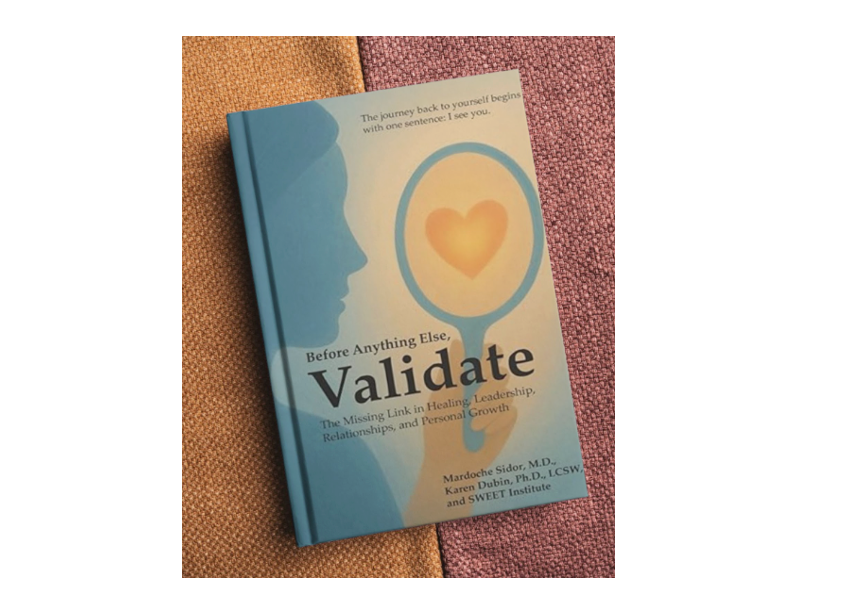
SWEET Institute Publishing
Mental health belongs to everyone.