

The Anger Shift: How Bibliotherapy Helps Transform Rage into Clarity, Boundaries, and Power

“I Don’t Like Who I Become When I’m Angry.”
The Reader said it quietly. “I either explode…or I shut down. I say things I regret. Or I say nothing and carry it for days. Either way, I lose.”
Dr. Dubin nodded slowly. “Anger is one of the most misunderstood emotions.”
Dr. Sidor: “Anger is not inherently destructive. It is an adaptive response to perceived injustice, violation, or threat” (Averill, 1982).
Why Anger Feels Dangerous
Stored anger doesn’t disappear. It waits.
The Hidden Function of Anger
Anger often signals a boundary violation.
Suppressing Anger Backfires
Chronic suppression of anger is linked to increased anxiety, depression, and physiological stress” (Gross & Levenson, 1997).
How Bibliotherapy Rewires Anger
Stories allow you to witness anger expressed in healthy, assertive ways.
The Existential Layer
Anger is energy. Energy can destroy — or it can define.
Reflection Prompts
When does your anger feel most activated?
What boundary might your anger be pointing to?
What would it look like to express anger clearly instead of explosively?
Selected References
Averill, James R. Anger and Aggression: An Essay on Emotion. Springer-Verlag, 1982.
Gross, James J., and Robert W. Levenson. “Hiding Feelings: The Acute Effects of Inhibiting Negative and Positive Emotion.” Journal of Abnormal Psychology, vol. 106, no. 1, 1997, pp. 95–103.
SWEET CALL TO ACTION
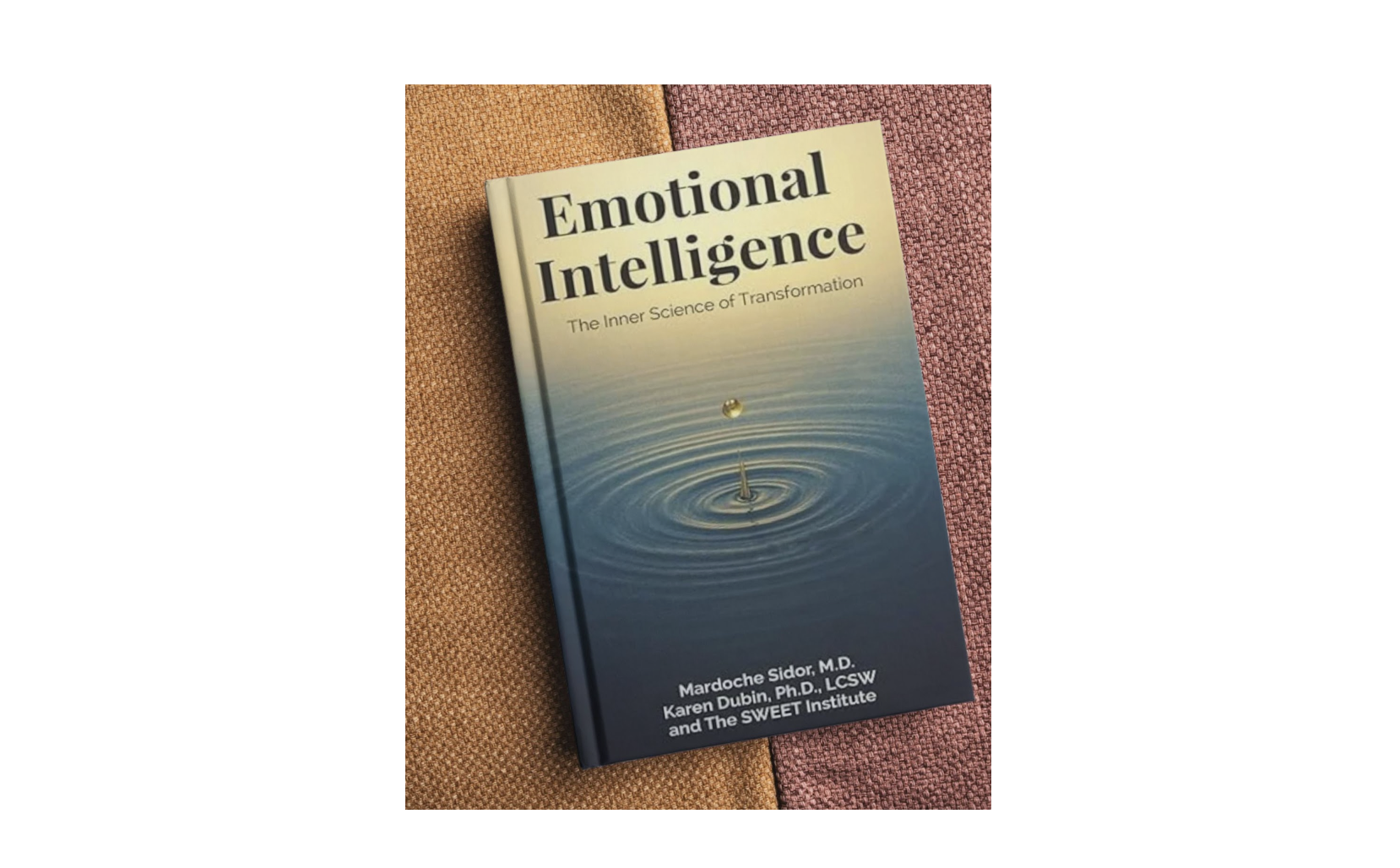
Get your copy TODAY on Amazon or through any major distributors.
Anger isn’t the enemy. Disconnection is.