

FEATURED BOOK OF THE WEEK: Before Anything Else, Validate
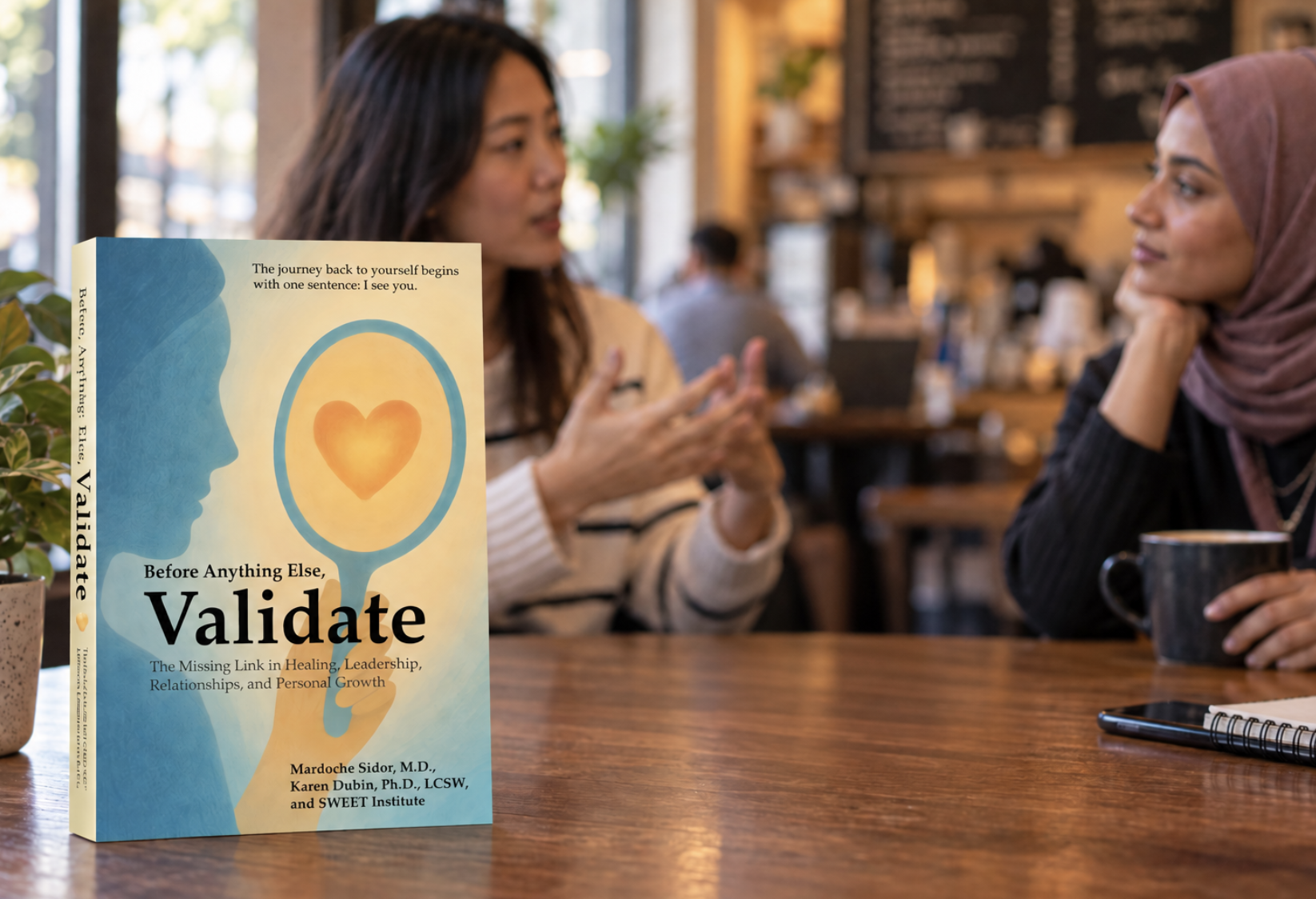
The Missing Link in Healing, Leadership, Relationships, and Personal Growth
What If People Do Not Need Your Answer First?
When someone is struggling, we often rush to help. We explain, advise, correct, reassure, and offer solutions. Our intentions may be good. Yet something essential is frequently missing.
Before people can receive our guidance, they need to feel that we have received their experience.
They need validation. Validation does not mean agreeing with everything someone says. It does not mean approving harmful behavior, surrendering our judgment, or pretending that every interpretation is accurate.
It means recognizing that another person’s feelings and responses make sense within the context of their experience.
What This Book Reveals
Before Anything Else, Validate explores one of the most important, and most frequently overlooked, principles of human connection: People become more open to change when they first feel understood.
This principle applies everywhere. It applies when a clinician is helping a patient who feels hopeless. It applies when a leader is responding to a frustrated employee, when a parent is speaking with an overwhelmed child, and when partners are trying to resolve a conflict. It also applies internally, when we are learning how to relate to the parts of ourselves that we have criticized, rejected, or tried to silence.
Without validation, even good advice can feel like dismissal. Without validation, problem-solving can feel like pressure. Without validation, correction can feel like rejection. On the other hand, when validation comes first, defensiveness can soften, trust can deepen, reflection can begin, and change becomes possible.
The SWEET Insight
We often assume that acknowledging a person’s feelings will reinforce those feelings. The opposite is frequently true. People are less likely to remain trapped in an emotional state when they no longer have to fight to prove that the state exists.
Validation helps end that struggle. It communicates: “I see what you are experiencing. I understand why this may feel this way. You do not have to convince me that your experience is real.”
From that foundation, healing, leadership, learning, and growth can move forward.
A Line That Holds the Whole Book
“Before people can hear what you know, they need to feel that you understand what they are experiencing.”
SWEET CALL TO ACTION
The next time someone brings you a problem, resist the urge to immediately fix it.
Pause.
Before offering advice, ask yourself: “What part of this person’s experience needs to be understood first?”
Then validate that part.
Sometimes the most transformative thing you can give another person is not an answer. It is the experience of no longer feeling alone in the question.
SWEET Institute Publishing
Transformational Books for a Transformational World.